

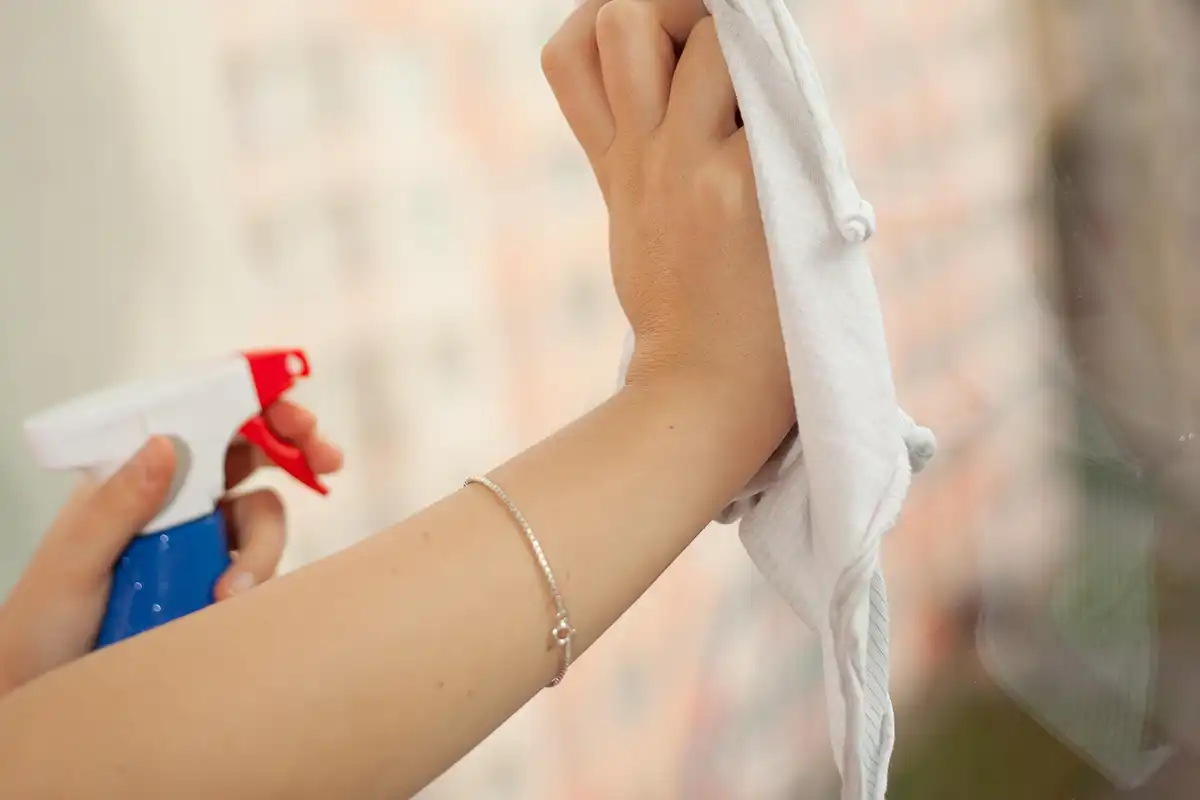
As professional window cleaners, we are often asked a wide range of questions from our customers. In fact, just the other day, one customer asked us whether eco-friendly cleaning products were as good at cleaning windows as traditional chemical-based cleaning solutions. As a result, I’ve decided to write this article to answer this very question.
When thinking about traditional window cleaning, it often means sprays containing ammonia or other harsh, man-made chemicals, that are usually able to cut through dirt and grime on windows effectively.
Eco-friendly window cleaner options typically use plant based ingredients, like vinegar or citrus, that break down naturally, that tend to be better for the environment.
So, which is better, eco-friendly or traditional window cleaning products?
As it turns out, it seems that today’s eco-friendly window cleaning formulas often clean just as well, or sometimes even better, when done right.
Understanding Traditional Window Cleaners
Traditional window cleaners rely on strong stuff like ammonia, which can dissolve grease and oils on contact. Isopropyl alcohol helps too; it wipes away fingerprints and dries quick for a clear view. Synthetic surfactants lift dirt from the glass surface, making it easy to rinse off.
These ingredients work by breaking bonds in grime. Ammonia attacks mineral deposits from hard water. The combo gives you that fast, streak-free result pros love. But speed comes at a price. You see the shine right away, yet it might not last if residues build up over time.
Health and Environmental Repercussions
Harsh cleaners release volatile organic compounds, or VOCs, that pollute indoor air. These fumes can irritate eyes and lungs, especially in small spaces. Skin contact might cause rashes if you don’t wear gloves.
Outside, synthetic surfactants harm rivers and lakes. They don’t break down easy, killing fish and plants. A 2023 EPA report showed these chemicals linger in waterways for years. That’s why many homes now seek safer paths. You avoid the doctor visits and guilt, but do you lose cleaning power?
The Science Behind Green Window Cleaning Formulations
Eco-friendly window cleaning solutions swap harsh chems for natural ones. Vinegar’s acetic acid eats away at soap scum and hard water marks gently. Citrus extracts, like d-limonene from oranges, dissolve sticky residues without strong smells.
Corn-based surfactants foam up to grab dirt, then vanish in nature. Pure castile soap lifts particles without leaving films. These mimic traditional cleaners but use mild acids and enzymes instead of solvents. Look for EPA Safer Choice labels—they mean the product passed tough tests for safety and strength.
Formulation and Concentration
Old green recipes, like basic vinegar mixes, sometimes left streaks because they dried slow. New formulas fix that with better blends. They add emulsifiers from veggies to mix oils and water perfectly.
Concentrated eco-sprays pack more punch per drop. You dilute them, just like pros do with regular stuff, saving money and effort. A study from the Green Cleaning Network in 2025 found these advanced mixes remove 95% of grime in one pass—close to ammonia’s 98%. No more weak wipes; science stepped up.
Performance Testing Against Common Stains
Let’s pit them head-to-head on everyday messes. Traditional cleaners blast kitchen grease from oven splatters with ammonia’s power. Eco options? A citrus-based spray cuts through just as well, thanks to natural oils that repel fats.
Fingerprints on doors challenge both. Regular alcohol wipes them out fast, but vinegar solutions match it by dissolving skin oils without residue. Hard water spots prove trickier. Ammonia shines here, yet plant-acid formulas, like those with citric acid, dissolve minerals equally.
Grease removal: Both excel, but eco might need a quick scrub.
- Fingerprints: Tie; neither leaves haze if you buff right.
- Water spots: Green wins in eco-tests for no runoff harm.
- The “Streak Factor”: Evaporation Rates and Final Finish
Streaks happen when cleaners dry unevenly, leaving soap trails. Traditional ones evaporate quick from alcohol, cutting streaks on sunny days. Green versions use water-based carriers that might linger if over-applied.
Cost-Effectiveness and Accessibility
Up front, green bottles cost a bit more, but they concentrate better, so this can save you money in the long run.
Selecting the Right Eco-Friendly Product for Your Needs
Pick products that list ingredients clearly—no vague “fragrances.” Go for biodegradable labels to ensure they won’t hurt drains. Avoid ones with hidden synthetics; check apps like EWG’s database for ratings.
For tough jobs, choose citrus-heavy sprays. Everyday use? Vinegar-based works great and cheap. Here’s a quick checklist:
Biodegradable? Yes. No phosphates or ammonia? Check. Third-party certified? Bonus.
Technique Optimization for Superior Green Results
Apply sparingly, too much liquid causes drips and spots. Work in shade to slow drying and even out the wipe. Start at the top, push down with a squeegee for big panes.
Rinse with a damp cloth if needed; it clears any soap traces. In hard-water areas, use filtered water to avoid new spots. Microfiber squeegees boost shine for both green and regular. Practice once, and you’ll nail it every time.